The biggest increase will be in the number of air travelers, up 4.6 percent to 3.44 million-- still a very small percentage of overall trips. As usual, driving will remain the most common trip method, with a 2.9 percent increase to 37.5 million travelers. The cost of travel has eased up from last year's July 4th holiday, AAA notes, with gas at a nationwide average of $2.28 a gallon, down 4 cents from last year; domestic air fares down about 10 percent; and rental car rates about 14 percent lower. The travel site Hopper.com says the busiest travel days will be Friday, June 29 through Monday, July 2, and Friday will be the busiest of all those four days. I'm sticking close to home this year during the holiday week, but will take off for Hawaii the week after.
By the numbers: This July 4th weekend will set travel records
Why it matters: Many cities in the sun belt or the west coast are seeing tourist mobility and the holiday weekends contribute to that. A record number of 49 million people will travel by car, train or plane on Independence Day weekend, the American Automobile Association says in a new report . Trains, buses and cruise ships will see about 3.5 million travelers — up about 6% from last year. In 2017, 44 million travelers. The ugly travel time that is expected during the holiday weekend with delays up to one and a half to two times longer.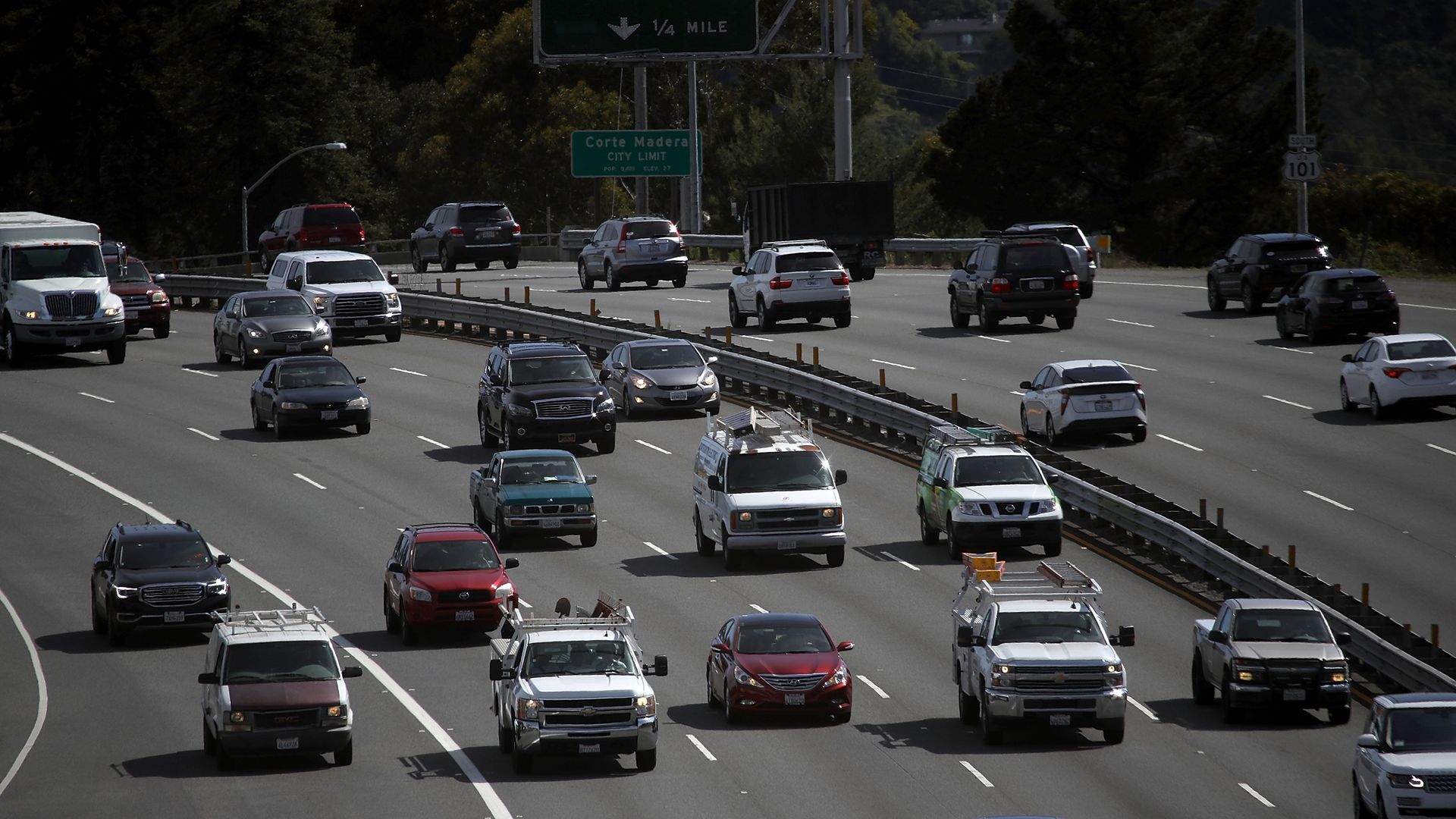
Gas taxes rise Sunday in 7 states as AAA projects record travel for July 4th
referring to Gas taxes rise Sunday in 7 states as AAA projects record travel for July 4thBart Jansen | USA TODAYUSA TODAYOklahoma raised its gas tax Sunday for the first time in 31 years to help fund pay raises for teachers. The Sooner State was one of seven to raise their gas taxes Sunday, which mostly fund construction projects such as roads and bridges: South Carolina, Indiana, Maryland, Tennessee, Vermont and Iowa. This was the first hike since 1987 left Alaska with the longest hiatus since raising its gas tax more than 48 years ago. Tomorrow, gas taxes are set to rise in 7 states. Nebraska gas and diesel tax rates dropped 0.4 cents per gallon under a formula based on fuel prices and infrastructure spending.Author

Hi, Its me Hafeez. A webdesigner, blogspot developer and UI/UX Designer. I am a certified Themeforest top Author and Front-End Developer. I'am business speaker, marketer, Blogger and Javascript Programmer.


0 comments:
Post a Comment